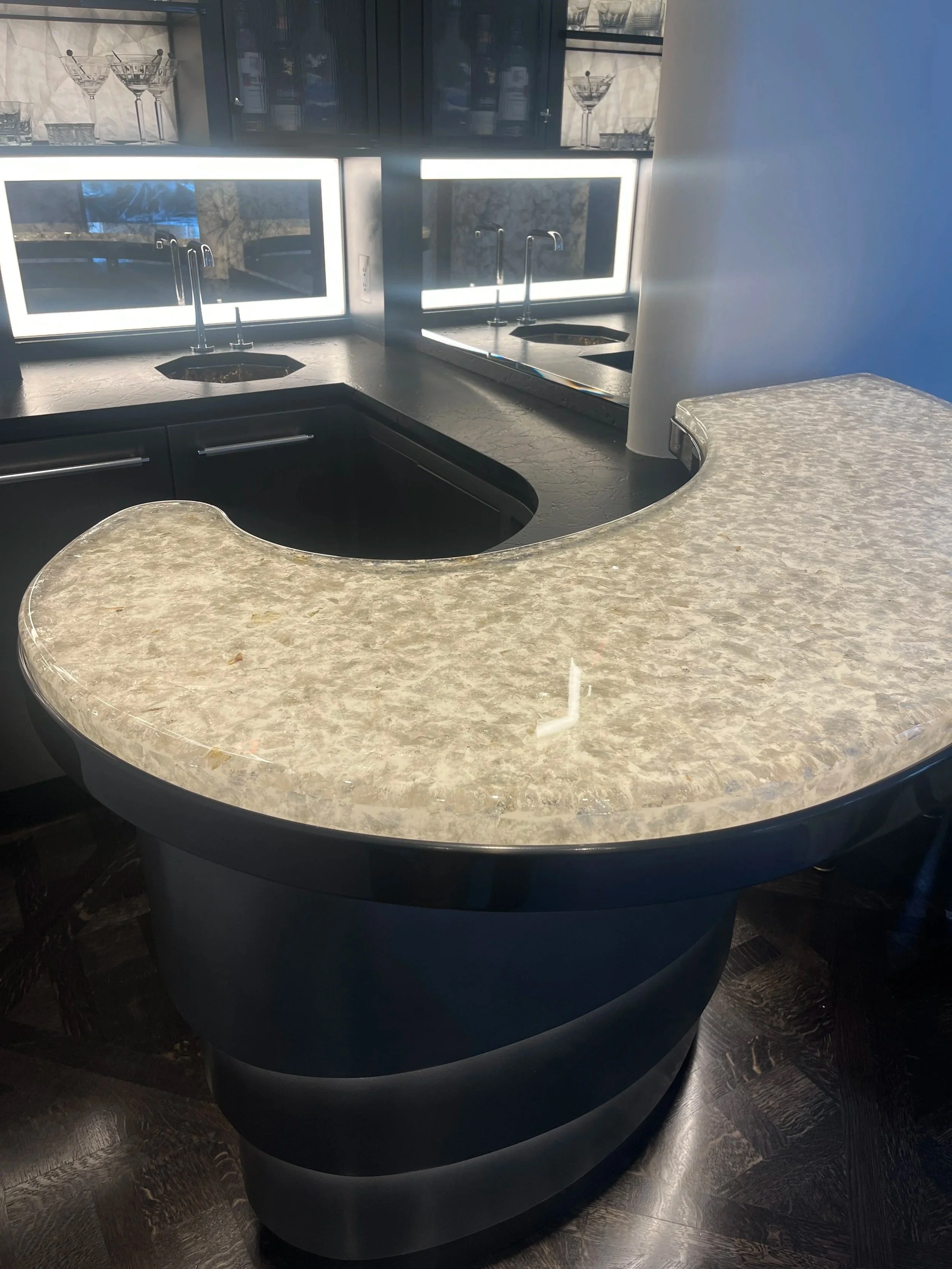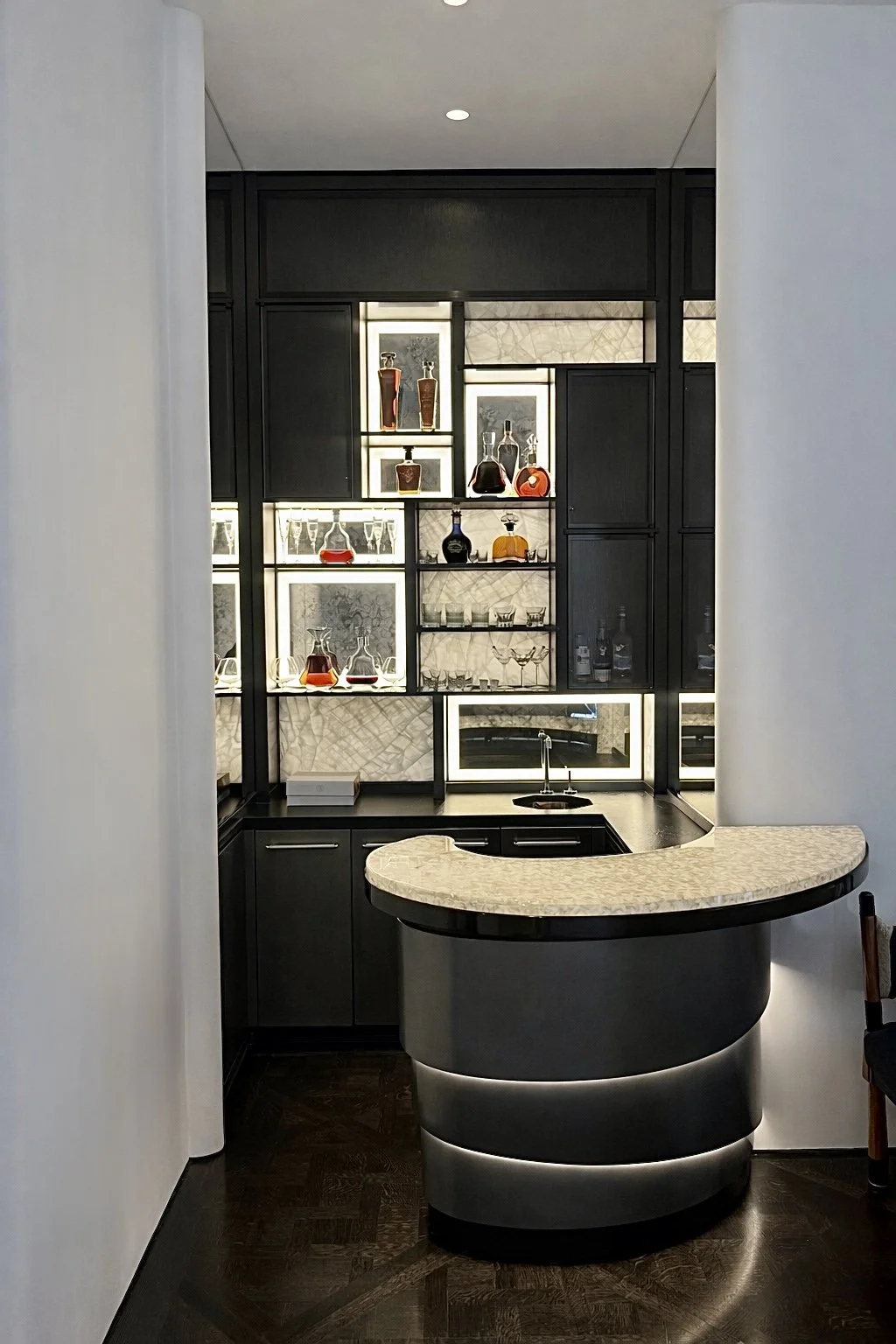
Our process
Every work begins as an investigation — of light, weight, and material behavior.
We develop form through drawing, digital modeling, and physical testing, allowing the material itself to influence the final geometry
Fabrication is not a step in our process — it is the process.
The Concept | Stage 1
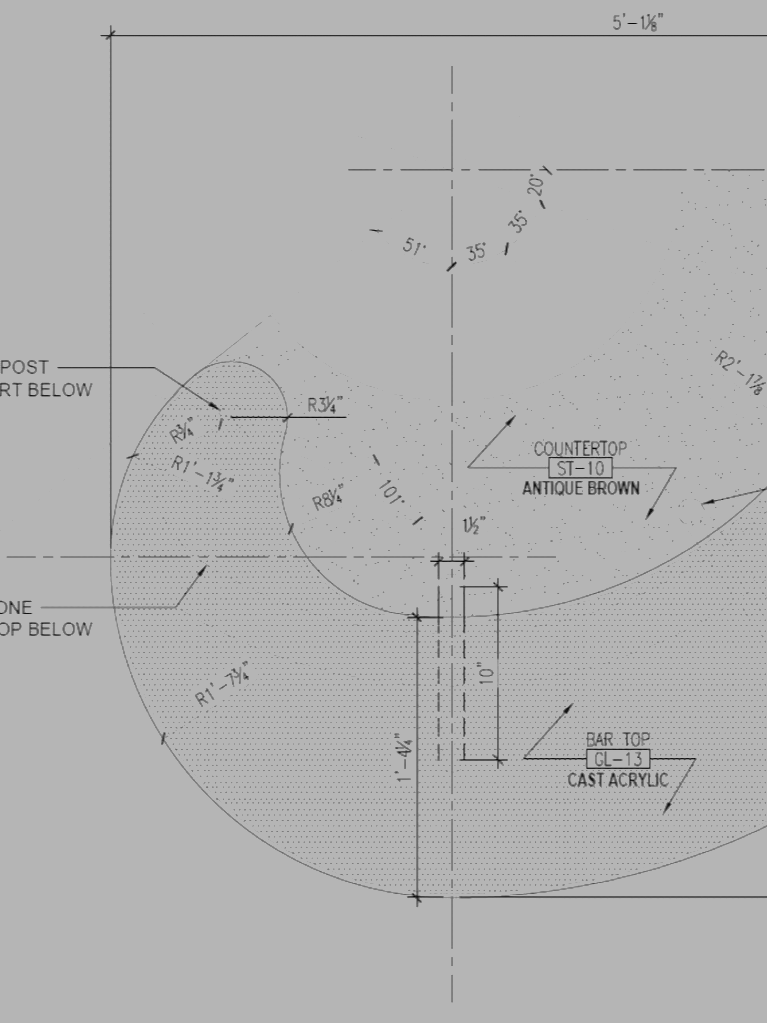
Each project begins with a proposal, requirement, or spatial challenge.
An architect may arrive with drawings, performance constraints, or a defined location — or ask us to develop a piece from an initial intention.
We establish scale, purpose, and boundaries so the work has a clear role before form is explored.
Interpretation | Stage 2
We translate the concept into form.
Through sketches, material studies, and digital modeling, we explore proportion, light interaction, and structural logic to determine how the idea should physically exist.
The goal is not to decorate the space, but to resolve it.
Visualization | Stage 3
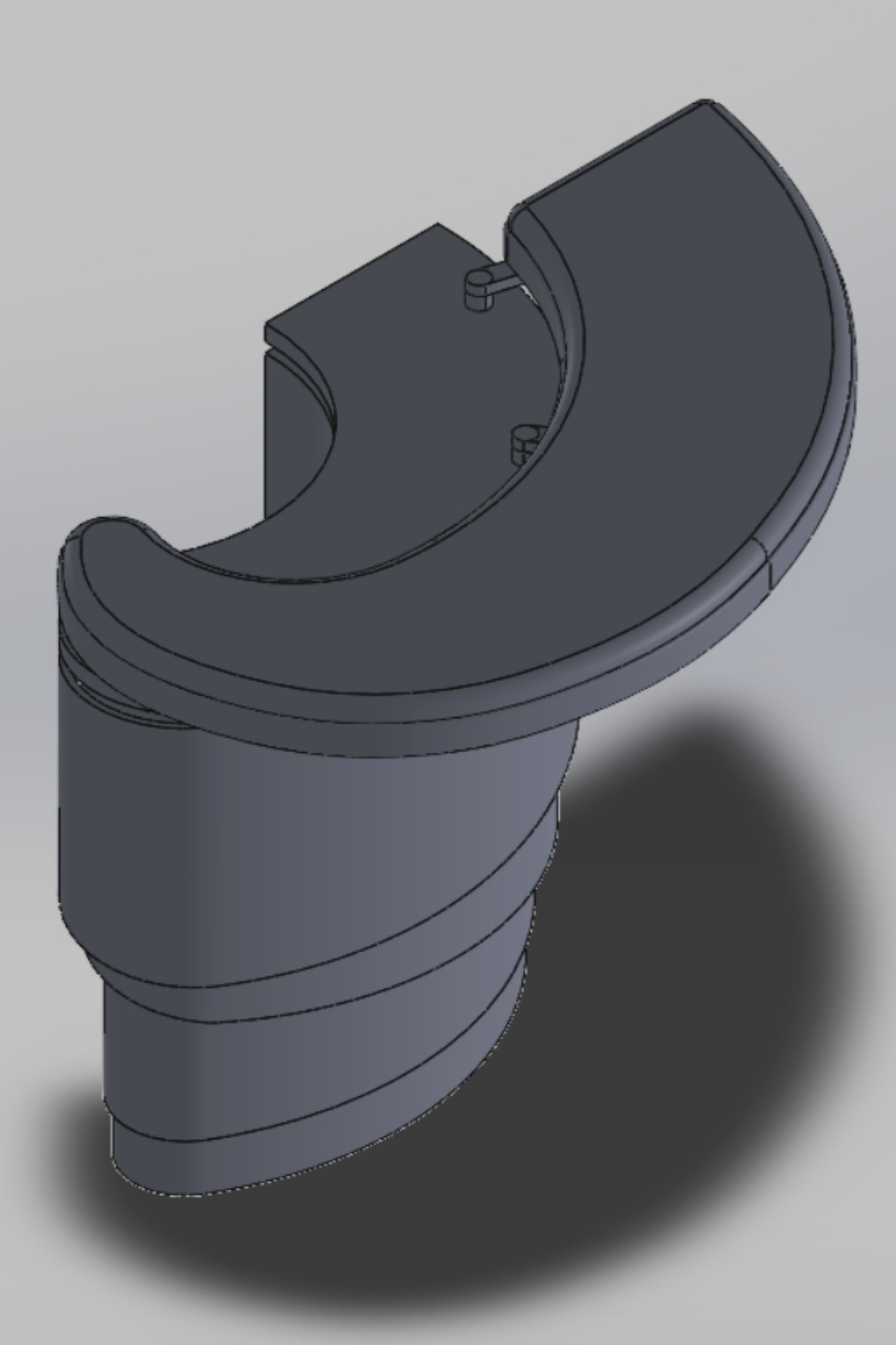
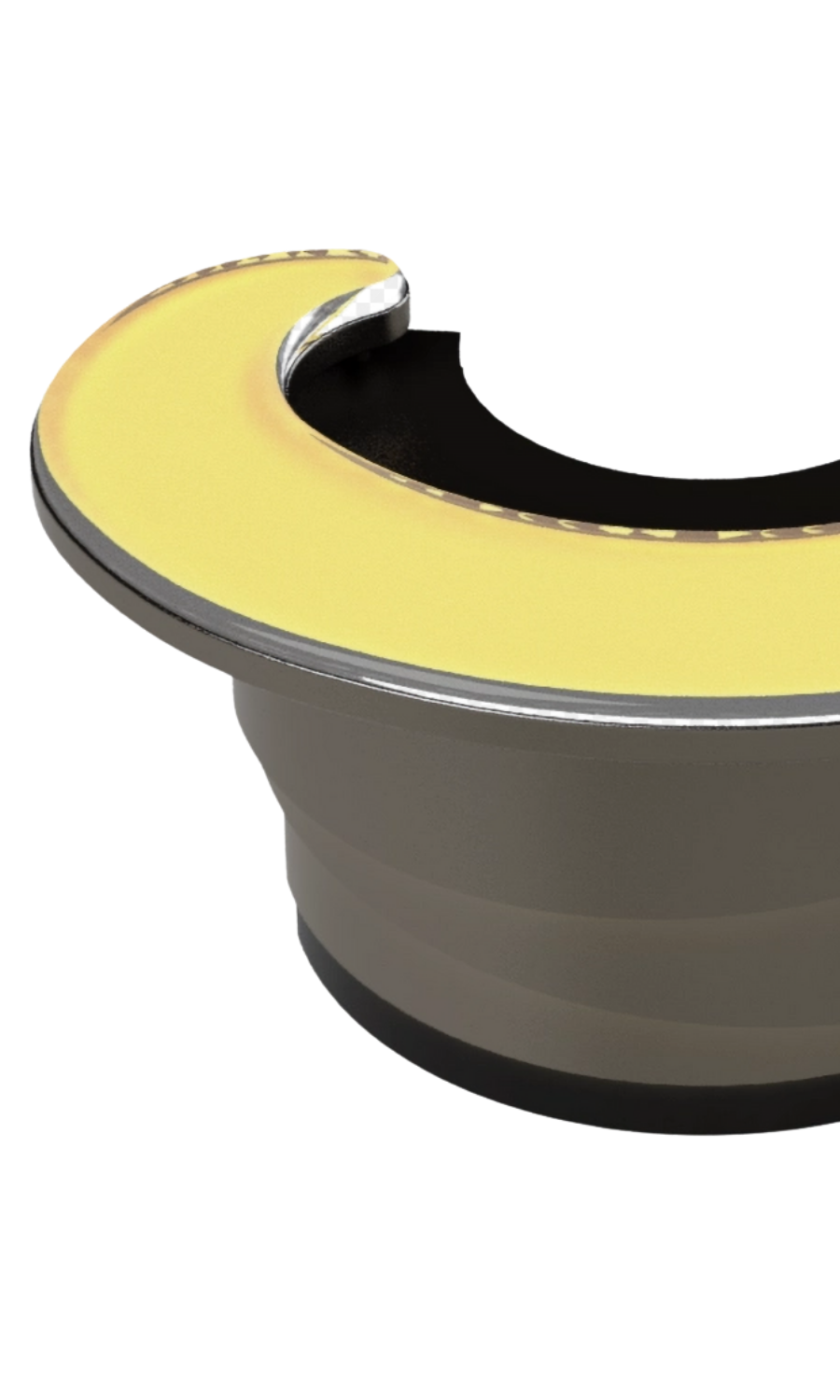
The piece is rendered within its environment.
Lighting, reflectivity, translucency, and viewing angles are tested to understand how the work will read in real conditions.
Adjustments are made before fabrication so the final object behaves as intended in the space.
Realization | Stage 4
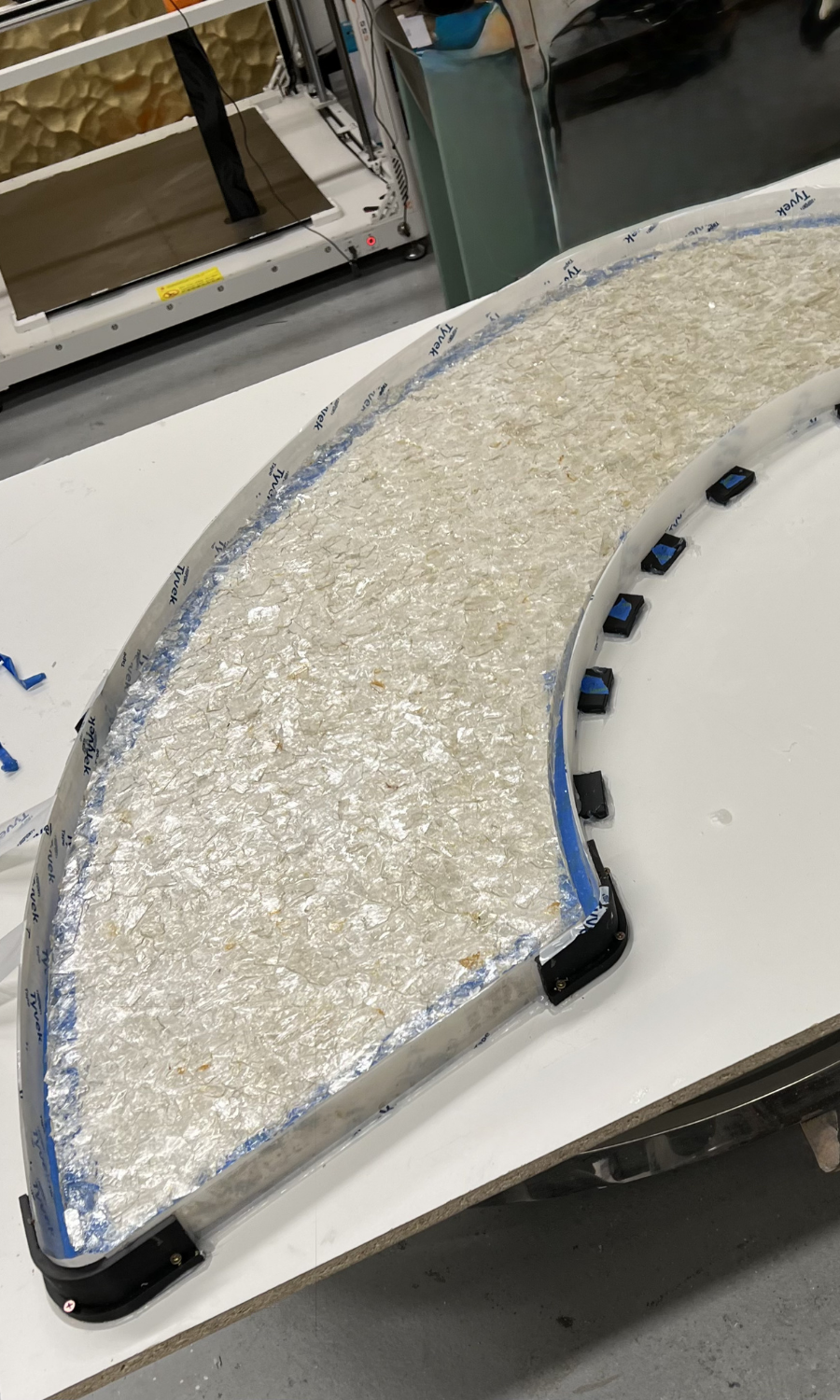
The work moves from study into material.
Components are machined, cast, formed, and assembled with attention to tolerance, weight, and surface behavior.
Digital geometry meets physical reality — where intention must hold up against gravity, light, and touch.
Finishing | Stage 5
Surface is calibrated until the piece reads as a single gesture.
Polishing, patination, and light interaction are refined to achieve material clarity and
permanence.